“The most important advice is not to compete with AI, but to work with AI.” - Professor Izabela Grabowska
EUonAIR’s vision is reaching international audiences, bringing our work on responsible AI in higher education into the wider conversation about students’ futures.
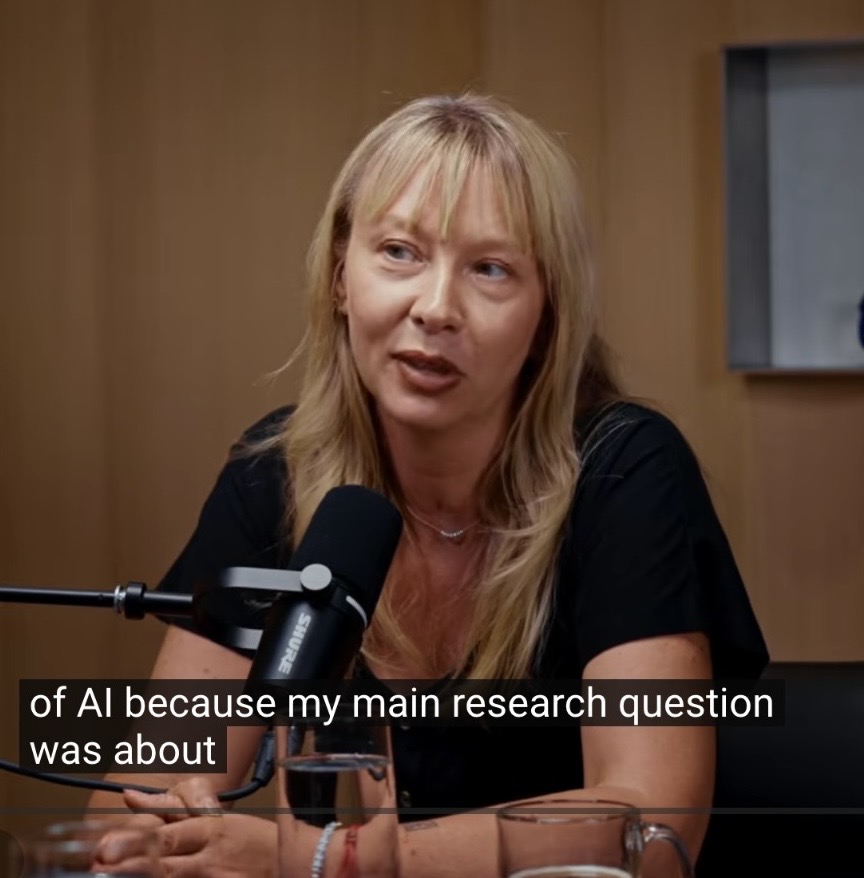
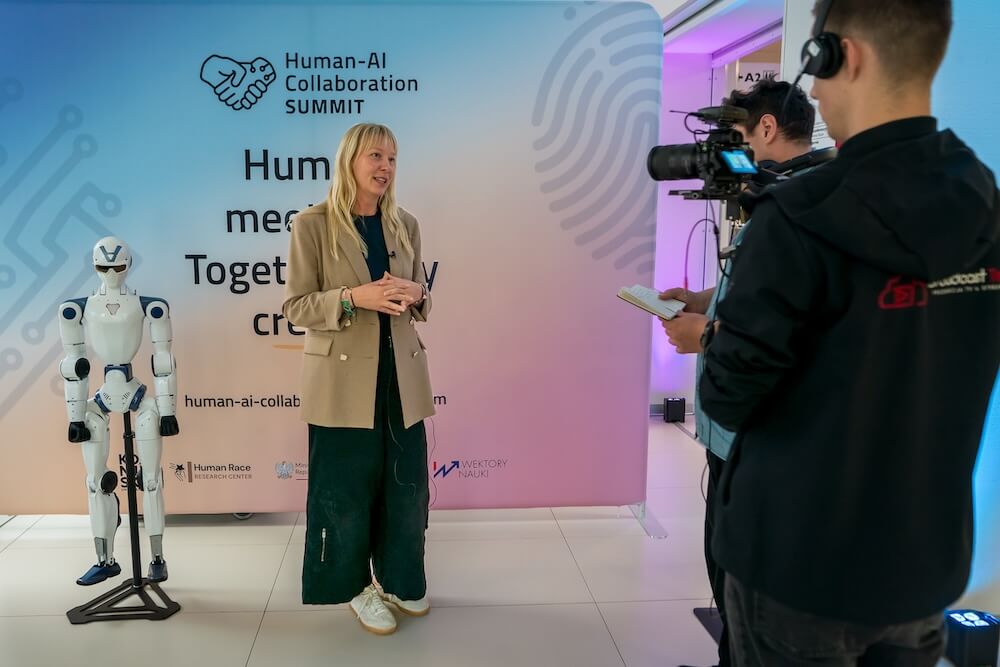
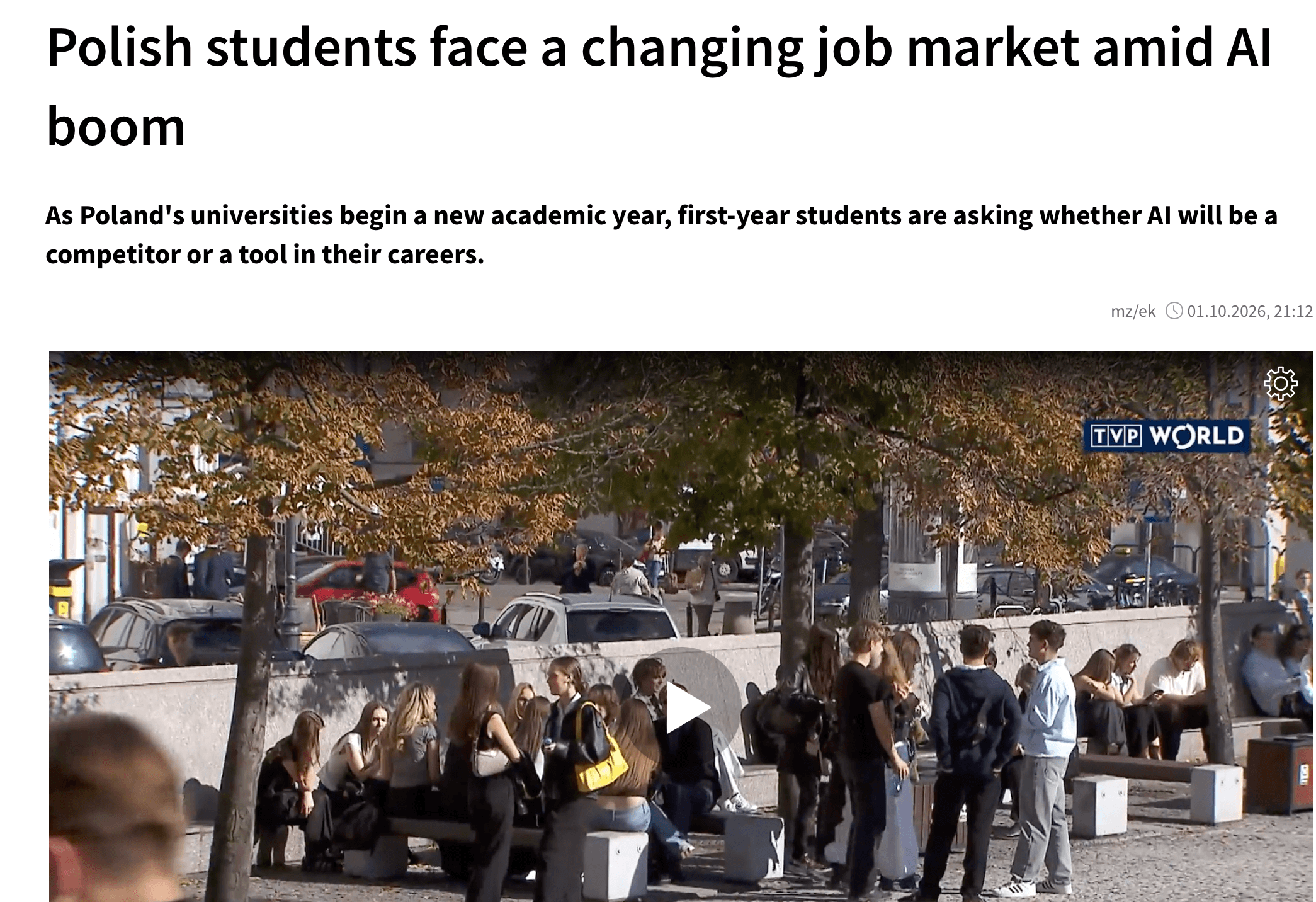
On 1 October, Professor Izabela Grabowska from Kozminski University appeared on World Talks on TVP World, the internationally broadcast English-language channel of Poland’s public television. As students in Poland began a new academic year, the interview explored a question relevant far beyond national borders: how can universities prepare young people for a labour market increasingly shaped by AI?
The conversation gave Professor Grabowska an opportunity to introduce EUonAIR to an international audience and explain how our European university alliance is responding to this challenge. By connecting students’ career prospects with concrete examples of our work, she brought EUonAIR into a public discussion that concerns learners, educators, employers and policymakers across countries. Her message was clear: preparing students for AI requires more than teaching them to use the latest tools. It means developing AI literacy, adaptability, intercultural communication and strong subject expertise, alongside the ability to assess sources and make ethical judgments.
Speaking about EUonAIR, Professor Grabowska explained why AI cannot remain confined to a single course. It needs to be integrated across curricula, helping students understand how it can be used responsibly in their own disciplines - from law and medicine to engineering. She also highlighted the development of MyAIUniversity and the potential of virtual learning environments to support education, alongside the reassessment of educational programmes across our alliance.
Throughout the conversation, one priority stood out: human judgment. As AI becomes more capable, students need the knowledge to question its outputs, recognise unreliable information and decide what deserves their trust. Classroom discussion, collaboration and direct human interaction remain essential to developing these abilities.
Sharing this work through internationally broadcast television helps make EUonAIR’s ambitions visible beyond our partner institutions. It allows us to explain why cooperation between European universities matters for challenges experienced around the world - and how responsible AI in education connects with people’s everyday decisions about learning, work and their futures.
This is part of the broader ambition of EUonAIR - the European University on AI in Curricula, Smart UniverCity and (Return) Mobility. Our alliance connects innovation in education with international cooperation, mobility and closer relationships between universities and their cities. From integrating AI across disciplines and developing MyAIUniversity to supporting the exchange of knowledge and experience, we aim to help people learn across borders and navigate technological change throughout their lives.
We are proud to see this vision represented in international media and to contribute to a wider discussion about the role of universities in shaping the future of education and work.
https://tvpworld.com/95703387/polish-students-weigh-ais-impact-on-future-careers